· Updated:
Sea Freight from Turkey to Egypt: A Practical Guide
How goods are shipped by sea from Turkey to Egypt, what affects the cost and the timing, and how to prepare your order so it arrives without problems.
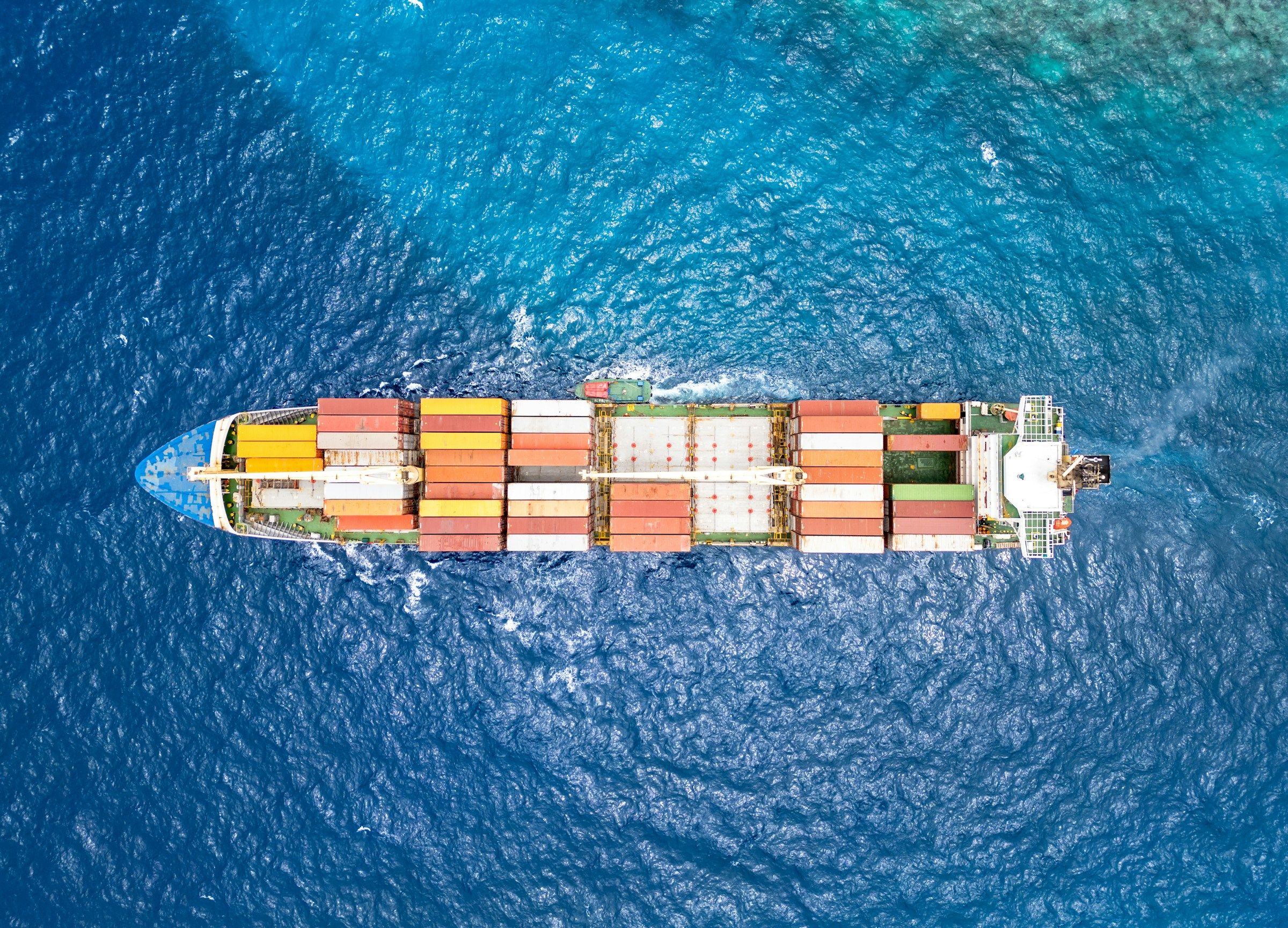
Once you have found the right product and supplier in Turkey, an important question follows: how will the goods reach Egypt? For wholesale orders, the answer in most cases is sea freight. In this article we explain how sea freight from Turkey to Egypt works, what affects its cost and timing, and how to prepare your order so it arrives without problems.
Why is sea freight the usual choice for wholesale orders?
Sea freight is the usual way to move commercial goods between Turkey and Egypt. It handles large quantities and heavy, bulky products such as furniture, machinery, fabric rolls and home textiles, and its cost per unit suits commercial orders. Turkey and Egypt also both sit on the Mediterranean, with regular shipping lines between them, which makes sea freight a practical choice for traders and companies.
How does a shipment travel from the supplier to Egypt?
The journey starts at the supplier in Turkey. After the goods are prepared and packed, they are taken to the port and loaded onto the ship with the shipping documents. When they reach the port in Egypt, they go through customs clearance and are then moved to their destination inside Egypt. Each stage has details that need attention: the supplier’s preparation date, the freight booking, the documents and the clearance.
We keep track of these stages with you and update you on WhatsApp as the shipment moves. Depending on the product and the order, we handle clearance and delivery in Egypt or coordinate them with you.
Do you need a full container?
Not necessarily. If your order is large enough, it can travel in a full container of its own. If it is smaller, there are other arrangements that suit medium quantities. The choice depends on the volume, weight and type of goods, and we explain the right arrangement in the quote so you know what you are paying for.
What affects the cost of sea freight?
The main factors are the volume and weight of the shipment and the type of product, because some products need special packing or handling. Other factors include how far the supplier is from the port in Turkey, where the goods are going inside Egypt, and global freight rates, which change from one period to another. That is why we do not give a fixed shipping price; we calculate it for each order and show it in the quote. You can read more about what a quote includes on our pricing page, and about every cost item in our guide to the full cost of importing.
How long does a shipment take?
The time depends on several factors: when the supplier finishes preparing the goods, the ship schedules, and port and clearance procedures. Sea freight is slower than express shipping, so it is best to plan early, especially if your goods are tied to a season such as the holidays or the start of the school year. We show the expected time for each stage in the quote and tell you about any change during the journey.
Which products need special care in sea freight?
Some products need extra attention during the sea journey. Furniture and large items need strong packing and good securing inside the container so they do not move. Glass, ceramics and tableware need protection from impact. Fabrics and home textiles need protection from humidity. Cosmetics and some chemical products may have special requirements both in shipping and in importing. That is why we agree the right packing for each product with the supplier before shipping, and tell you about any special requirements for your product before you order.
How do documents affect the shipment’s arrival?
Correct documents are what most reliably get a shipment through without delay. They usually include the commercial invoice, the packing list, the bill of lading and any certificates your product type needs. The description of the goods in the documents must be accurate and match what is in the shipment, because any difference can delay the release. We make sure these documents are prepared with the supplier before shipping. Our guide to import documents explains each one.
How do you prepare your order to reduce problems?
A few simple steps reduce the chance of delay or damage:
- Set the specifications and quantities precisely with the supplier before production or preparation.
- Make sure the description of the goods on the invoice is accurate and matches the shipment.
- Ask for packing suited to sea freight, especially for glass, ceramics and furniture.
- Start early if your goods are tied to a season or an opening date.
If you are planning an order from Turkey, send us the product details and quantity through the quote request form, and we will find the right supplier and explain the shipping arrangement. You can also look at our services or read the step-by-step guide to importing from Turkey to Egypt.